Why Does My Dog Have Bad Breath? 9 Real Causes — And What To Do About Each One
Most dog owners chalk it up to "just dog breath" and move on. That is a mistake. Persistent bad breath in dogs is almost always a symptom of something — ranging from easily fixable dental plaque to kidney failure that needs immediate veterinary attention. The type of smell tells you which one it is. This guide covers all nine causes, how to identify them, and exactly what to do next.
Is Your Dog's Bad Breath Normal? The Honest Answer
Let's settle this immediately, because it is the most common misunderstanding in dog dental health.
A healthy dog with a clean mouth will have breath that smells mildly unpleasant up close — mildly meaty or neutral. That is normal. What is not normal is breath that is consistently foul at conversational distance, suddenly changed character, or carries a distinctive smell like ammonia, sweetness, or decay.
According to VCA Animal Hospitals, the primary cause of bad breath in dogs is volatile sulfur compounds (VSCs) — molecules produced by anaerobic bacteria feeding on food debris and dying tissue in the mouth. These bacteria thrive wherever plaque builds up, which is why dental disease is the most common cause of halitosis. But VSCs and their distinctive rotten smell are not the only mechanism — ammonia smell comes from a completely different biological pathway (kidney dysfunction), and sweet smell comes from another (ketone production in uncontrolled diabetes).
The reason this matters: the type of smell is your most reliable diagnostic signal before you reach a vet. Each cause produces a recognizable odor profile. We cover all nine below.
The good news: The most common cause of dog bad breath — dental plaque and early-stage periodontal disease — is entirely preventable and reversible at its early stages. Daily brushing and VOHC-approved dental products can eliminate it. You do not need expensive veterinary intervention for plaque-caused bad breath if you catch it early.
Cause #1 — Dental Plaque and Tartar Buildup
Dental Plaque and Tartar
This is the cause behind the majority of dog bad breath cases in the US and Europe. Plaque is a soft, sticky biofilm of bacteria that coats tooth surfaces within hours of eating. When plaque is not removed by brushing, it mineralizes into tartar (calculus) within 24 to 72 hours — and once it hardens, no amount of home care removes it.
The bacteria in plaque produce volatile sulfur compounds as metabolic byproducts. These compounds are what you smell. At the plaque stage — before tartar forms — daily brushing eliminates the problem entirely. Once tartar is established, professional veterinary scaling is required to break the cycle.
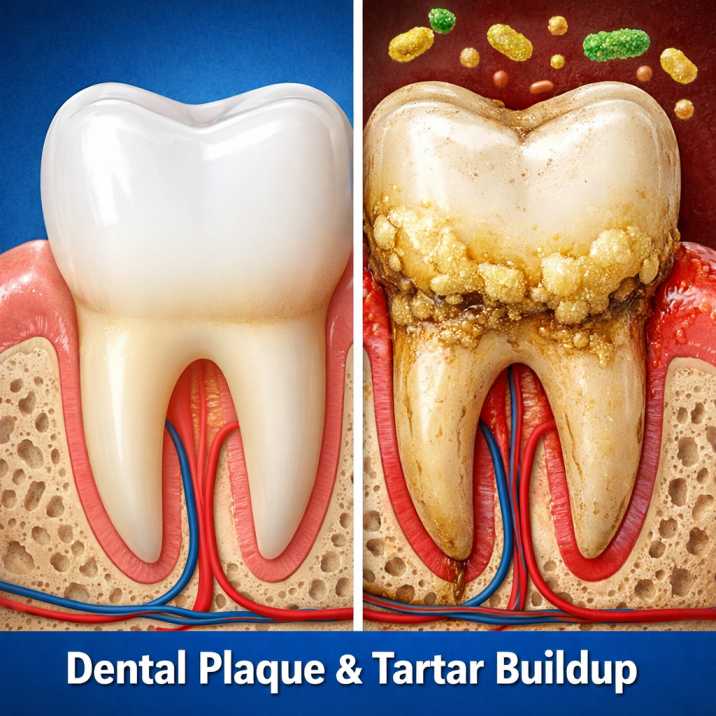
How it smells: Consistently foul but not distinctively sharp. Described as rotten or musty — stronger after eating, present throughout the day. Does not smell like ammonia or sweetness. Often accompanied by visible yellow or brown deposits on teeth, especially near the gum line.
What to do: Begin daily brushing with an enzymatic toothpaste immediately. If you can see visible tartar, schedule a veterinary dental cleaning first. Add VOHC-approved dental chews (Greenies, Whimzees) to your dog's daily routine. Results — measurably fresher breath — appear within 7 to 14 days of consistent care.
Cause #2 — Periodontal Disease
Periodontal (Gum) Disease
Periodontal disease is what happens when plaque and tartar buildup is left untreated over months or years. Bacteria migrate below the gum line and begin destroying the ligaments and bone that hold teeth in place. According to the American Veterinary Dental College, more than 80% of dogs show signs of periodontal disease by age three.
The reason this produces particularly severe bad breath: the bacteria operating below the gum line are anaerobic (oxygen-hating) species that produce large quantities of hydrogen sulfide and other VSCs. They also cause tissue death — and decomposing tissue is one of the most potent sources of halitosis in any living animal.
Periodontal disease progresses through four stages. Stages 1 (gingivitis) and 2 (early periodontitis) can be reversed with professional cleaning plus consistent home care. Stages 3 and 4 involve irreversible bone loss — professional cleaning can stop progression, but cannot restore the bone that has been lost.
How it smells: Noticeably stronger than simple plaque breath. Often described as a persistent rotting or garbage-like smell. In advanced stages, can have a faint metallic or bloody component from inflamed gum tissue.
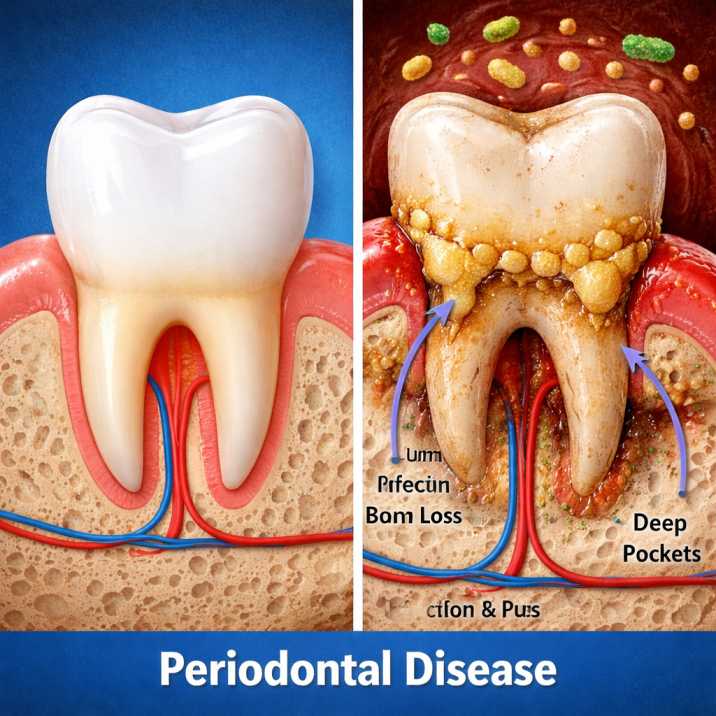
What to do: Schedule a veterinary dental examination within 2 to 4 weeks. Ask specifically for dental radiographs — periodontal bone loss is only visible on X-ray and not visible on surface examination. Begin daily brushing immediately to prevent additional plaque formation while you wait for the appointment.
Cause #3 — Tooth Abscess or Oral Infection
Tooth Abscess or Oral Infection
A tooth root abscess is a localized pocket of infection that forms at the root of a tooth — most commonly the upper fourth premolar (carnassial tooth), whose roots sit directly below the eye socket. When this tooth becomes infected, you may notice a visible swelling below your dog's eye along with dramatically worsened bad breath.
Abscesses produce some of the most severe halitosis in dogs because they combine active bacterial infection, tissue death, and pus production in an enclosed space. The smell is distinctly different from ordinary dental disease — it has a sharp, putrid, or rotten-flesh quality that is unmistakable once you have encountered it.
Oral infections can also develop from foreign objects (bone fragments, sticks, grass seeds) embedded in gum tissue. These become sites of bacterial colonization that produce localized, intensely foul breath.
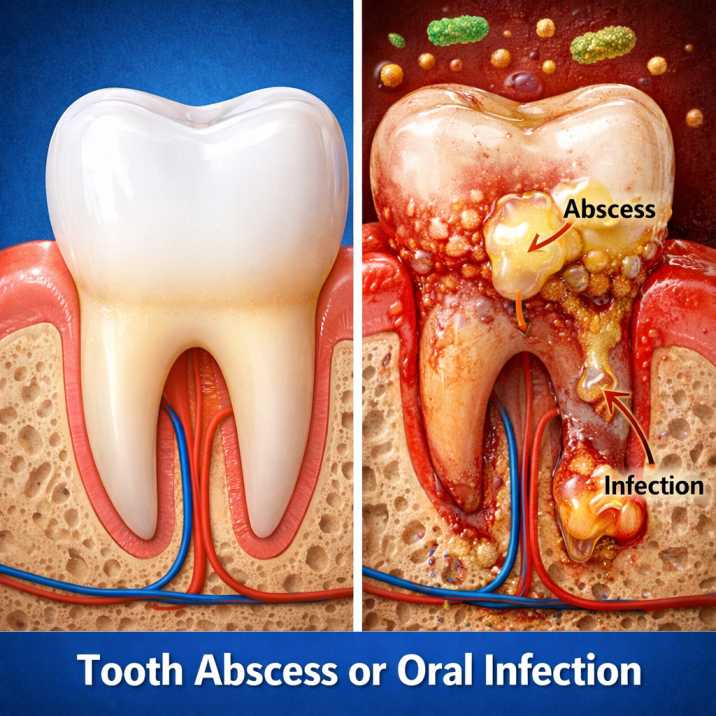
How it smells: Sharply putrid, rotten, or flesh-like. Distinctly worse than plaque or tartar breath. Often comes from one side of the mouth. May be accompanied by your dog pawing at their face, reluctance to eat, or visible facial swelling.
What to do: See your vet this week — not at the next scheduled appointment. Describe the specific smell and any swelling or behavioral changes. A tooth abscess will not resolve on its own and becomes increasingly painful and dangerous if left untreated. Treatment involves professional drainage, antibiotics, and likely extraction of the affected tooth.
Cause #4 — Kidney Disease
Kidney Disease (Renal Failure)
This is the cause that every dog owner needs to understand — because it is the one that is most commonly missed and most dangerous to ignore. When the kidneys begin to fail, they lose their ability to filter waste products from the blood. Urea — a nitrogen-based waste compound — accumulates in the bloodstream in a condition called uremia.
Urea is converted to ammonia in the body, and this ammonia is exhaled through the lungs and released into the mouth. The result is breath that smells unmistakably of ammonia or urine. According to PDSA, the UK's leading veterinary charity, this smell is a direct and serious indicator of significant kidney dysfunction.
Additional signs that accompany kidney disease include excessive thirst and urination, lethargy, vomiting, reduced appetite, and weight loss. If your dog's breath smells of ammonia and they are showing any of these signs, this is a same-day veterinary emergency.
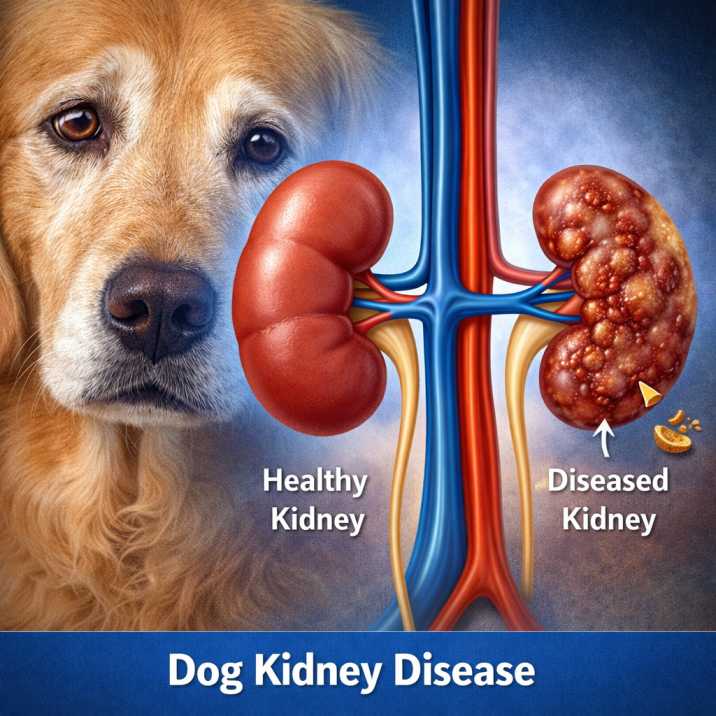
How it smells: Distinctly ammonia-like — similar to bleach, cleaning products, or urine. This smell is chemically specific and not easily confused with ordinary bad breath once you know to look for it. In severe uremia, the smell may be accompanied by mouth sores or ulcers that your vet will see on examination.
What to do: Call your veterinarian today. Mention specifically that the breath smells like ammonia. Your vet will run blood and urine tests to evaluate kidney function. Early diagnosis is critical — kidney disease that is caught and managed early has a significantly better prognosis than disease identified at advanced stage. Do not wait.
Cause #5 — Diabetes Mellitus
Diabetes Mellitus
Diabetic dogs have a distinctive and recognizable breath odor that is completely different from dental disease or kidney problems. When diabetes is uncontrolled, the body cannot use glucose for energy and begins breaking down fat stores as an alternative fuel source. This fat metabolism produces ketone bodies as a byproduct — and ketones have a characteristic sweet or fruity smell.
The smell is often described as similar to pear drops, nail polish remover, or overripe fruit. If you notice this smell in combination with your dog drinking more water than usual, urinating more frequently, losing weight despite eating normally, or showing lethargy, these are the classic signs of diabetes.
It is worth noting that some dogs with diabetes also develop dental disease at higher rates — so it is possible to have both conditions simultaneously, producing a combination of sweet and foul odors.
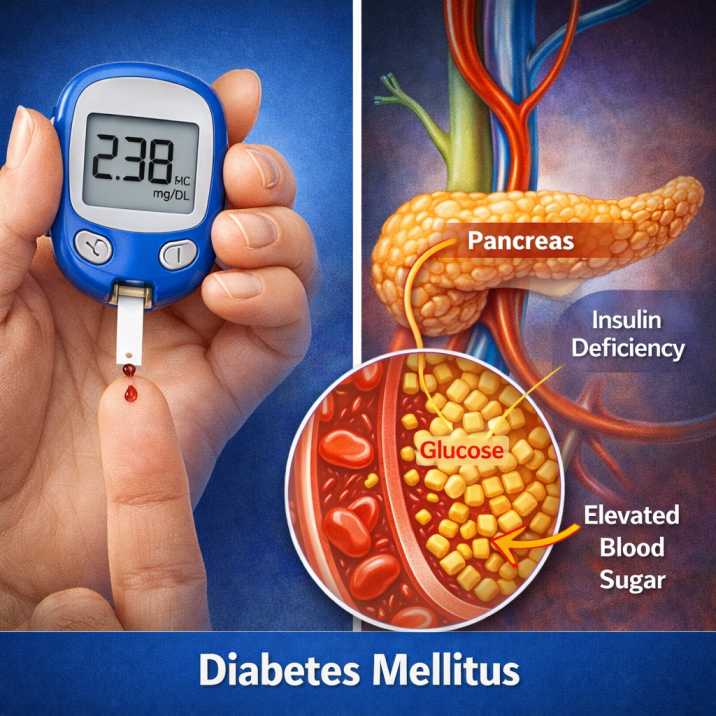
How it smells: Sweet, fruity, or chemical — similar to nail polish remover or pear drops. This is a highly distinctive smell that is not present in dental disease or kidney disease. Once you identify a sweet breath smell in your dog, mention it specifically to your vet.
What to do: Schedule a veterinary appointment this week. Your vet will run blood glucose tests and a urinalysis to confirm or rule out diabetes. Controlled diabetes allows dogs to live healthy lives — but it requires consistent management including dietary changes, medication, and regular monitoring. The sweet smell of breath typically resolves when blood glucose is properly managed.
Cause #6 — Liver Disease
Liver Disease
The liver is the body's primary detoxification organ. When liver function is compromised, toxins that would normally be filtered and excreted begin accumulating in the bloodstream — and this metabolic backup can manifest as changed breath odor, among many other symptoms.
Liver disease in dogs produces a breath odor that is often described as musty, stale, or sweetly rotten — distinct from both the ammonia of kidney disease and the fruity sweetness of diabetes. According to PetMD's veterinary team, liver disease bad breath is typically accompanied by more obvious systemic signs: yellowing of the eyes or skin (jaundice), weight loss, reduced appetite, vomiting, and increased water consumption.
If your dog's breath change is accompanied by any of these additional symptoms — especially visible yellowing of the whites of the eyes — this requires urgent veterinary attention, not a wait-and-see approach.
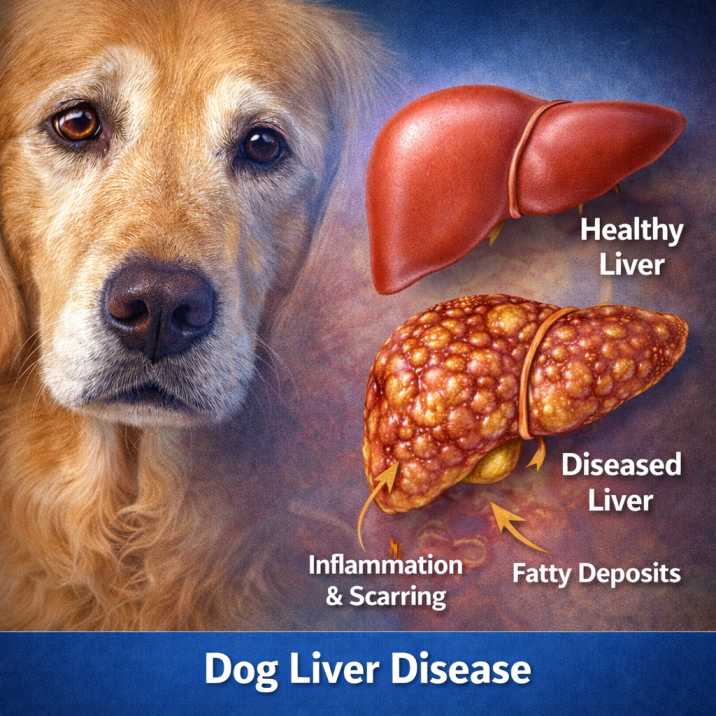
How it smells: Musty, stale, or sweetly rotten — different from dental disease halitosis. Does not have the sharp ammonia quality of kidney disease or the pure sweetness of diabetes. Often accompanied by visible yellowing of the eyes or skin that makes the diagnosis more apparent.
What to do: If any jaundice (yellowing) is visible, call your vet today. If the breath change is the only symptom, schedule an appointment within the week and request liver function bloodwork as part of the workup. Early-stage liver disease is often manageable with dietary changes and medication.
Cause #7 — Foreign Object in the Mouth
Foreign Object Lodged in the Mouth
Dogs investigate the world with their mouths — which means bone fragments, stick splinters, grass seeds, toy pieces, and other foreign objects frequently become lodged between teeth, under the tongue, or embedded in gum tissue. A foreign object that has been in place for more than a day or two begins to decompose and collect bacteria, producing localized but intense bad breath.
This cause is often identified by the sudden onset of bad breath in a dog that previously had normal-smelling breath. According to Dr. Julie Buzby, DVM, sudden bad breath that appears overnight should prompt you to examine your dog's mouth immediately — it should not be dismissed as "just happening."
Look carefully between the back teeth, under the tongue, along the gum line, and at the back of the throat. A stuck object is often visible once you know to look. If you can see it and reach it safely, remove it. If you cannot see it or cannot safely reach it, your vet needs to examine the mouth under sedation.
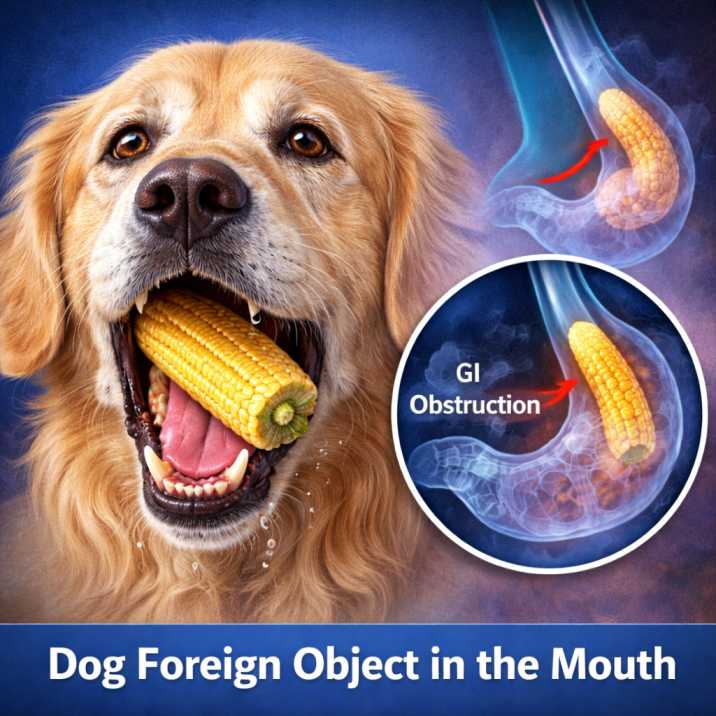
How it smells: Localized and intensely foul — the smell often comes from one specific side of the mouth. Sudden onset is a key indicator. Your dog may be pawing at their mouth, drooling more than usual, or showing reluctance to chew on one side.
What to do: Gently examine your dog's mouth in good lighting. If you find and can safely remove the object, do so and monitor for any remaining smell or signs of infection over the next 48 hours. If you cannot locate the object, see your vet this week — a retained foreign object can cause a serious localized infection if left in place.
Cause #8 — Coprophagia (Eating Feces)
Coprophagia — Eating Feces
Coprophagia — the technical term for a dog eating feces — is more common than most dog owners realize and considerably more embarrassing to admit. Dogs may eat their own feces, another dog's feces, or cat feces from a litter box. The behavior has several possible causes: nutritional deficiency, boredom, anxiety, attention-seeking, or simply opportunistic behavior driven by smell.
The resulting bad breath is immediately recognizable — a feces-like or sewage smell that is distinctly different from dental disease or systemic conditions. The smell is temporary if the behavior stops, but can become a persistent problem in dogs who engage in coprophagia regularly.
The practical solution depends on the cause. Securing the litter box out of your dog's reach eliminates cat feces consumption. Cleaning up immediately after your dog in the yard prevents self-coprophagia. Nutritional deficiencies causing the behavior should be evaluated by a vet through bloodwork.
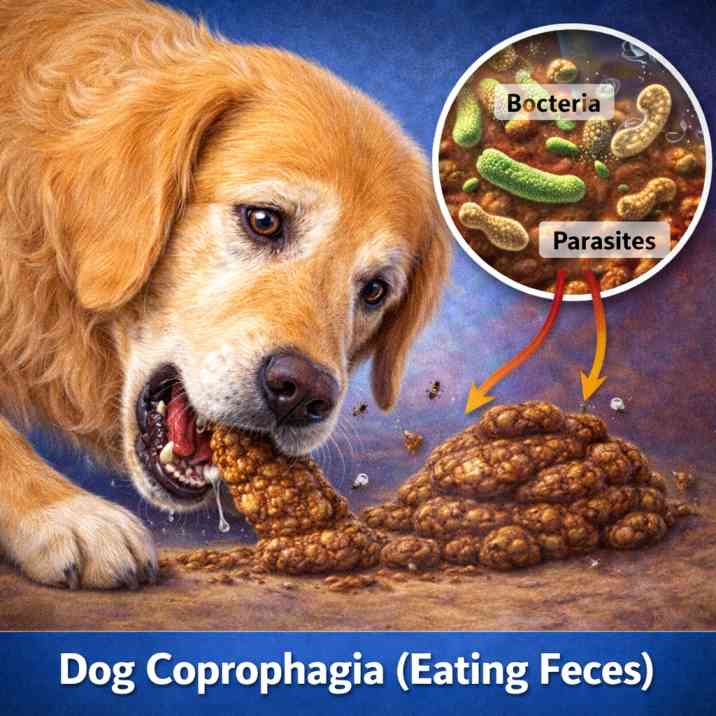
How it smells: Clearly feces-like or sewage-like. The most distinctive smell on this list — you will know immediately what caused it. The smell typically resolves within a few hours once the behavior stops.
What to do: Identify and eliminate the source. Secure all litter boxes out of reach. Clean up immediately after your dog in outdoor spaces. Brush teeth after any known coprophagia episode. If the behavior is compulsive or persistent, mention it to your vet — it can sometimes indicate an underlying nutritional or behavioral issue worth addressing.
Cause #9 — Diet and Gut Microbiome Imbalance
Diet and Gut Microbiome Imbalance
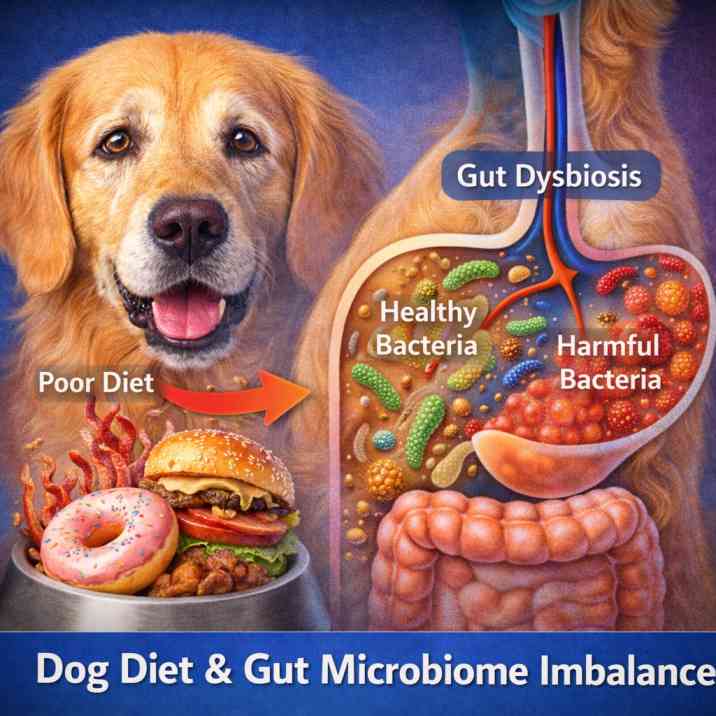
Diet has a direct impact on breath odor in dogs through two pathways. First, certain foods produce stronger-smelling metabolic byproducts that are released through the breath. Fish-based foods, high-protein diets, and some raw ingredients produce particularly pungent breath compounds. Second, and less obviously, imbalances in the gut microbiome affect which bacteria colonize the oral cavity.
PetMD's veterinary team notes that dogs on raw or home-cooked diets may experience disrupted oral bacteria balance, contributing to bad breath. Imbalances in gut flora can also allow certain bacteria — particularly those producing strong-smelling compounds — to over-proliferate in the mouth.
This cause is generally less serious than the others on this list, but it is worth considering if your dog has persistent mild bad breath despite good dental hygiene and a normal vet examination. A veterinary nutritionist can evaluate whether dietary adjustment would help.
How it smells: Usually a persistent mild-to-moderate foul smell without the specific character of ammonia, sweetness, or decay. Often seems to worsen shortly after meals. Fish-based diet dogs frequently have fish-scented breath that is unpleasant but not medically significant.
What to do: If you feed raw or home-cooked diets, consult a veterinary nutritionist to evaluate nutritional completeness. If you suspect a specific ingredient is causing the smell, try an elimination period of 4 to 6 weeks. Continue daily dental care — good oral hygiene reduces the impact of dietary-sourced bacteria in the mouth.
⚠️ When to See the Vet — Emergency vs. Routine
The most important decision in dog bad breath management is knowing when home care is enough and when you need professional veterinary intervention. This table summarizes that decision by cause and urgency level.
| Smell Type | Likely Cause | Urgency | Action |
|---|---|---|---|
| Ammonia / urine-like | Kidney disease | Emergency | Call vet today |
| Sweet / fruity / nail polish | Diabetes mellitus | Urgent | Vet this week |
| Putrid / rotten flesh | Tooth abscess | Urgent | Vet within days |
| Musty / sweetly rotten + yellowing | Liver disease | Urgent | Vet this week |
| Sudden bad breath overnight | Foreign object / abscess | Soon | Examine mouth · Vet if needed |
| Strong foul but no other symptoms | Periodontal disease | Routine | Vet dental exam within 4 weeks |
| Feces / sewage smell | Coprophagia | Behavioral | Eliminate source · Home management |
| Mild foul · no other symptoms | Plaque buildup | Routine | Begin daily home dental care now |
🚨 Go to the Vet Immediately if Bad Breath Is Accompanied By:
For UK readers: Contact your vet or the PDSA PetAid helpline. For US readers: Contact your regular vet or a 24-hour emergency animal hospital if symptoms appear outside business hours. Do not post in Facebook groups or forums looking for reassurance — these symptoms require professional diagnosis.
🦷 Home Dental Care — The 5-Step Routine That Actually Works
For the most common cause of dog bad breath — dental plaque and early periodontal disease — a consistent daily home routine makes a measurable difference within two weeks. Here is what the routine looks like, in order of effectiveness.
Daily brushing with enzymatic toothpaste — 60 seconds
This is the single most effective thing you can do. Focus on the outer surfaces of the upper back teeth — where plaque builds fastest. Use only dog-safe enzymatic toothpaste (never human toothpaste — it contains xylitol or fluoride, both toxic to dogs). Virbac C.E.T. is our top pick with its 2026 VOHC seal. Even 30 seconds done consistently beats 2 minutes done twice a week.
One VOHC-approved dental chew daily
Give one VOHC-approved dental chew sized for your dog's weight every day. VOHC-approved options include Greenies Original, Whimzees Naturals, Oravet, and Milk-Bone Brushing Chews. Non-VOHC chews have not been independently tested — their dental claims are marketing, not clinical evidence.
Add a water additive to the bowl daily
A tasteless water additive like Oxyfresh works passively every time your dog drinks. The Oxygene technology neutralizes odor-causing bacteria on contact — not masks the smell but eliminates its bacterial source. Add one capful per 32oz of fresh water each time you refill the bowl.
Annual (or biannual) professional veterinary cleaning
No at-home routine removes tartar that has already hardened below the gum line. A professional cleaning under anesthesia is the only way to access and remove sub-gingival deposits. For dogs prone to dental disease or senior dogs, biannual cleanings are often recommended. The AVMA confirms that professional cleanings remain essential even with excellent home care.
Replace toothbrush every 3 to 4 months
Worn toothbrush bristles lose up to 40% of their cleaning effectiveness and harbor more bacteria. Set a calendar reminder. This is the easiest step to forget and one of the most impactful to maintain. Multi-packs reduce the cost of regular replacement to roughly $1.25 per brush.
🛒 Products That Genuinely Work — Our 2026 Picks
Frequently Asked Questions
Sudden bad breath — breath that changes noticeably overnight or within a few days — should always be taken seriously. It can indicate a rapidly developing dental abscess, a foreign object lodged in the mouth, or the onset of a systemic condition like kidney disease or diabetes. Bad breath should not "appear overnight," as Dr. Julie Buzby, DVM, notes. If your dog's breath changes suddenly and significantly, examine the mouth for any foreign objects, and schedule a veterinary appointment within the week.
Ammonia or urine-like breath in dogs is a medically significant warning sign of kidney disease. When the kidneys cannot filter waste properly, urea builds up in the blood — a condition called uremia — and is released through the breath as ammonia. VCA Animal Hospitals and PDSA both list this smell as a direct indicator of serious kidney dysfunction. Contact your veterinarian today, not at the next scheduled appointment. Your vet will run blood and urine tests to evaluate kidney function.
Sweet or fruity breath — often described as similar to nail polish remover or pear drops — is a classic indicator of uncontrolled diabetes in dogs. When the body cannot process glucose, it breaks down fat as fuel, producing ketone bodies that are exhaled through the breath. This smell requires veterinary attention this week. If it is accompanied by increased thirst, increased urination, weight loss, or lethargy, the urgency is higher — call your vet today.
Mild unpleasant odor detectable only at close range is normal in dogs with otherwise healthy teeth. "Dog breath" as a concept is real — but it should not be offensive at conversational distance, should not have a specific character (ammonia, sweetness, decay), and should not have changed recently. Persistent, strong, or distinctively-smelling halitosis is not normal and warrants attention. The AKC advises that dog owners should not simply dismiss bad breath — it is nearly always a sign of something that can be addressed.
For bad breath caused by dental plaque — the most common cause — the five-step home routine above is effective: daily brushing with enzymatic toothpaste, one VOHC-approved dental chew daily, a tasteless water additive like Oxyfresh, annual professional vet cleanings, and regular toothbrush replacement. Most dogs show measurable breath improvement within 7 to 14 days of consistent daily care. Home care alone cannot address systemic causes like kidney disease, diabetes, or liver disease — those require veterinary diagnosis and treatment.
If your dog has persistent bad breath without any of the urgent smell characteristics (ammonia, sweetness, sudden change) and is otherwise eating, drinking, and behaving normally, the most likely cause is dental disease — which is common, treatable, and not immediately life-threatening. Begin daily dental care at home and schedule a routine veterinary dental examination within the next month. Do not dismiss it permanently — untreated dental disease is painful and leads to tooth loss and systemic health complications over time.
The Bottom Line
Your dog's bad breath is telling you something. For most dogs, it is saying "please brush my teeth daily and take me for a dental cleaning" — and that is straightforward to fix. For some dogs, it is saying something more urgent about kidney function, blood glucose, or liver health — and those signals should never be dismissed.
Use the smell guide at the top of this article as your first diagnostic tool. If the smell matches ammonia, sweetness, or sudden-onset putrid decay — call your vet today. If it is a persistent general foul smell in an otherwise healthy-seeming dog — start the five-step dental routine tonight and book a vet exam within the month.
Every dog deserves a mouth that does not hurt and breath that is not a medical emergency hiding in plain sight.